
Updated May 23, 2026 · 12 min read · Reviewed by the CanadaCigs research team
TL;DR
Native cigarettes are legal to manufacture and sell on First Nations reserves under federal Aboriginal law, but provincial laws vary on whether non-Indigenous buyers can transport or possess them off-reserve. Federal law (the Indian Act and Excise Act, 2001) exempts on-reserve tobacco sales to status Indians from federal tobacco excise tax. Buying and bringing native cigarettes home is regulated by provincial tobacco acts — penalties range from confiscation to fines depending on the province and quantity.
What are native cigarettes?
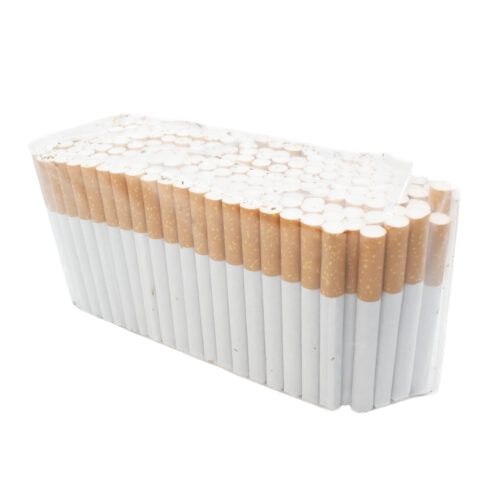
“Native cigarettes” (also called Indigenous, First Nations, or reserve cigarettes) are cigarettes manufactured by First Nations-owned or licensed companies operating on Canadian reserves. The two largest manufacturers are based on the Six Nations of the Grand River (Ontario) and Kahnawà:ke (Quebec) reserves, with smaller producers on Tyendinaga, Akwesasne, and other reserves across Canada.
Common native cigarette brands include Putters, Sago, DK’s, Discount Native, Native, Putters Originals, Seneca, Players Mohawk, Mohawk, and Putters Smooth. Manufacturing typically uses Virginia and Burley tobacco blends, with some brands offering full-flavour, light, ultra-light, and menthol variants.
Are native cigarettes legal in Canada?
Yes — manufacturing and on-reserve sale are legal under federal law. The Excise Act, 2001 explicitly permits Indigenous manufacturers to produce tobacco products, and the Indian Act exempts status Indians from federal tobacco excise tax on goods purchased on reserve for personal use. Where it gets complicated is the off-reserve side: provincial tobacco taxation and possession laws differ significantly across Canada.
What does federal law say about native cigarettes?
Excise Act, 2001
The federal Excise Act, 2001 requires every Canadian tobacco manufacturer — Indigenous or non-Indigenous — to hold a tobacco licence issued by the Canada Revenue Agency. As of 2026, the CRA has issued licences to several First Nations manufacturers on Six Nations and Kahnawà:ke reserves.
Indian Act, Section 87
Section 87 of the Indian Act exempts the personal property of a status Indian situated on a reserve from federal taxation. Tobacco sold by a registered Indian to another registered Indian on reserve qualifies for this exemption. This is why status card holders pay no federal tobacco tax when purchasing on reserve.
Tobacco and Vaping Products Act (TVPA)
The federal TVPA regulates packaging, advertising, and ingredients for all Canadian tobacco — including native cigarettes. Native manufacturers must comply with plain packaging requirements and ingredient disclosure rules.
What do provincial laws say?
Each province sets its own rules for who can possess, transport, and sell tobacco off-reserve. The table below summarizes the position in each province as of 2026:
| Province | Possession off-reserve (non-Indigenous) | Possession limit | Typical penalty for excess |
|---|---|---|---|
| Ontario | Permitted in small quantities | 5 cartons (1,000 cigarettes) | Confiscation + fine $100–$500 |
| Quebec | Permitted in small quantities | 5 cartons (1,000 cigarettes) | Fine $350+ plus per-unit penalties |
| Alberta | Permitted in small quantities | 5 cartons (1,000 cigarettes) | Confiscation + fine |
| British Columbia | Permitted in small quantities | 5 cartons (1,000 cigarettes) | Confiscation + fine |
| Manitoba | Permitted in small quantities | 5 cartons (1,000 cigarettes) | Confiscation + fine |
| Saskatchewan | Permitted in small quantities | 5 cartons (1,000 cigarettes) | Confiscation + fine |
| Nova Scotia / NB / PEI / NL | Stricter — possession of unmarked tobacco can trigger fines | Varies | Fines $200+ per carton |
Most provinces tolerate personal-use quantities (typically 5 cartons or less) when transporting from reserve, but flag larger quantities as commercial trafficking.

What are the treaty and Aboriginal rights arguments?
Two Supreme Court of Canada decisions are central to how Canadian courts interpret on-reserve tobacco trade:
- R. v. Marshall (1999) — affirmed Mi’kmaq treaty rights to a “moderate livelihood” from harvesting and trading natural resources.
- R. v. Pamajewon (1996) — set a stricter test for proving an Aboriginal right exists, requiring evidence the activity was “integral to the distinctive culture” pre-contact.
Several First Nations governments (including the Mohawk Council of Kahnawà:ke and Six Nations Confederacy) maintain that their inherent sovereignty over their territory includes the right to regulate tobacco trade independently of provincial or federal frameworks.
Are native cigarette deliveries to my home legal?
The answer depends on three factors:
- Who is shipping? Shipments from a First Nations-licensed retailer fall under the manufacturer’s operating jurisdiction.
- Who is receiving? Provincial laws treat possession of unmarked tobacco differently — most allow personal-use quantities.
- What route does the package travel? Canada Post is bound by federal law; private couriers are governed by provincial commercial rules.
In practice, most online native cigarette retailers ship via discreet packaging through couriers that operate without engaging provincial tobacco enforcement. Buyers in Ontario, Quebec, BC, Alberta, Manitoba, and Saskatchewan typically receive personal-use quantities without incident.
What happens if you buy on-reserve and bring cigarettes home?
- Quantity under personal-use limit (≤ 5 cartons): Lawful in most provinces.
- Quantity above limit: Triggers possession-for-resale presumptions. Penalties scale up to thousands of dollars and possible criminal charges for trafficking.
- Crossing into a stricter province: Possession laws follow the province you’re in, not where you bought.
Common myths about native cigarette legality
Myth: “Native cigarettes are contraband”
False for licensed manufacturers. Contraband refers to tobacco produced outside any regulatory framework. Native cigarettes from CRA-licensed manufacturers are legal products under federal law.
Myth: “It’s illegal to buy native cigarettes if you’re not Indigenous”
Mostly false. Non-Indigenous buyers can lawfully purchase on reserve. What changes is the federal excise tax exemption — only status Indians qualify for that.
Myth: “Police will stop you for having native cigarettes”
Personal-use quantities rarely trigger police action in most provinces. Enforcement focuses on bulk trafficking, not individual smokers.
Myth: “Native cigarettes don’t pay any tax”
Misleading. Native manufacturers pay federal excise duty. The savings vs commercial brands come from the lower provincial portion and the lack of provincial markup.
Native vs commercial cigarettes — legal comparison
| Aspect | Commercial (Imperial, JTI, Rothmans) | Native (Putters, Sago, DK’s, etc.) |
|---|---|---|
| Federal manufacturing licence | Required, held | Required, held by licensed reserve manufacturers |
| Federal excise duty | Paid | Paid by licensed manufacturers |
| Provincial tax stamp | Required and present | Often absent (sold under reserve jurisdiction) |
| Plain packaging compliance | Mandatory and enforced | Mandatory federally; enforcement varies |
| Sale to non-Indigenous buyers | Permitted anywhere | Permitted on reserve; off-reserve subject to provincial possession laws |
Frequently asked questions
Is it legal to buy native cigarettes online in Canada?
The sale is legal under First Nations jurisdiction. Most provinces tolerate personal-use quantities, but possessing unmarked tobacco above provincial limits can trigger fines.
How many cartons of native cigarettes can I legally have?
Most provinces use a 5-carton (1,000 cigarettes) personal-use threshold. Above that, possession triggers a presumption of intent to traffic.
Are native cigarettes cheaper because they’re untaxed?
Not entirely. Licensed native manufacturers pay federal excise duty. The price difference comes from absent provincial tobacco tax and lack of provincial wholesaler markup.
Can I cross provincial borders with native cigarettes?
Yes, but the law of the province you’re in applies. Crossing from a tolerant province into a stricter one means the destination province’s rules govern.
Do I need a status card to buy native cigarettes?
No. Anyone can purchase on reserve. The status card matters for federal tax exemption only.
What’s the difference between native cigarettes and contraband?
Native cigarettes are made by federally licensed manufacturers under the Excise Act, 2001. Contraband refers to tobacco produced outside any regulatory framework.
Can First Nations retailers ship cigarettes by mail?
Most online native cigarette retailers use private courier networks with discreet packaging.

Now that you understand the law, here’s how to buy
- Native Cigarettes Canada: The Complete 2026 Buying Guide
- Where to Buy Cigarettes Online In Canada
- How to Switch From Canadian Classic to Native Cigarettes (2026)
- What’s the Best & Cheapest Cigarettes in Canada